🌐 EN ▾
Public Transit Biohazard Cleanup in Cincinnati, OH
Licensed Cincinnati public transit biohazard cleanup pros for repairs, installs and upgrades — upfront pricing, fast scheduling, one accountable team.
What payment methods do you accept?+
How much does biohazard cleanup cost in Cincinnati?+
Why choose Cincinnati Blood Clean up?+
What biohazard cleanup services do you offer in Cincinnati?+
Who do I call for a biohazard cleanup emergency in Cincinnati?+
How can I verify a biohazard cleanup company in Cincinnati is licensed and legitimate?+
Public Transit Biohazard Cleanup in Cincinnati
Public Transit Biohazard Cleanup in Cincinnati
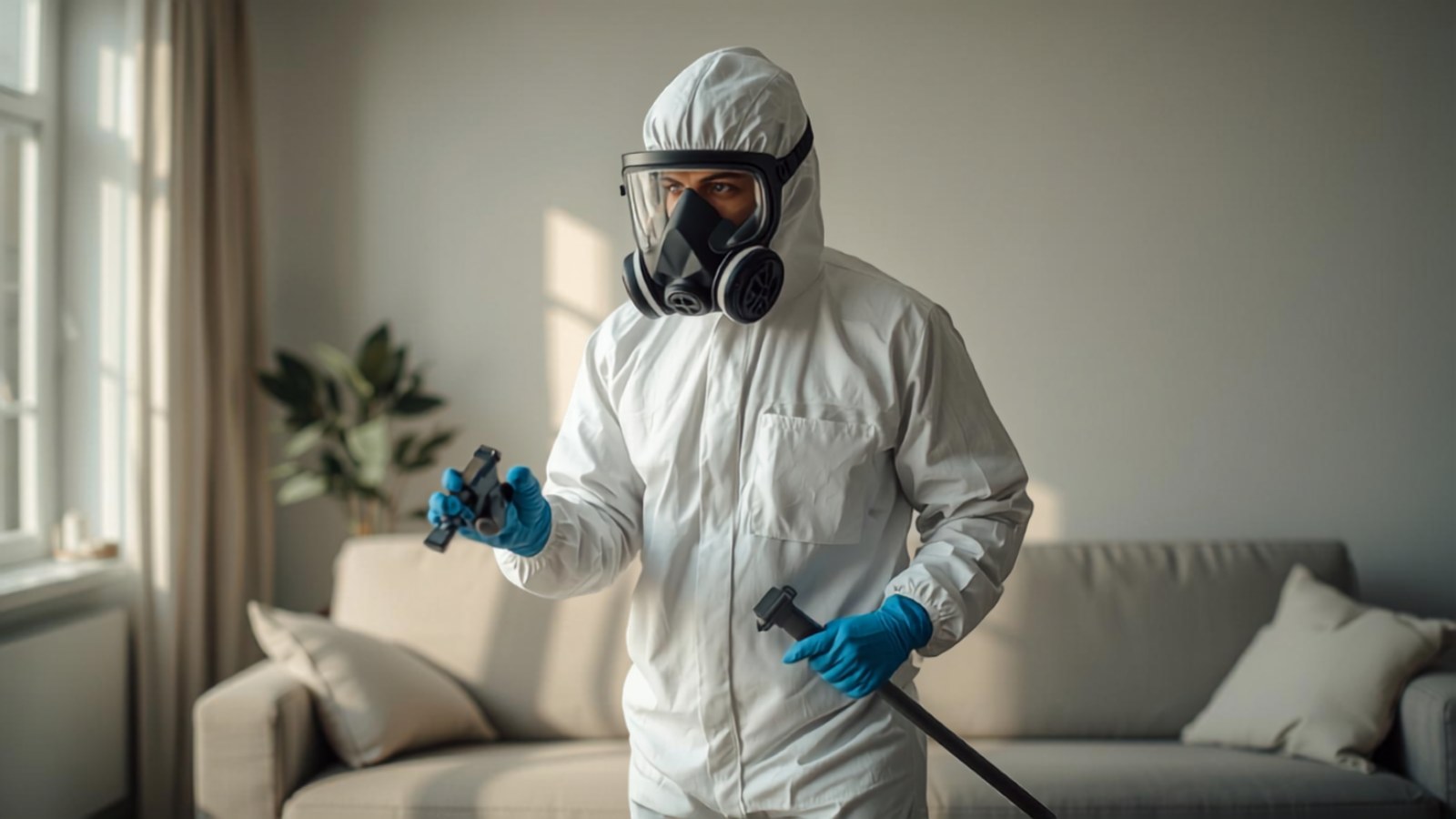
Public transit biohazard cleanup in Cincinnati involves the safe, thorough removal of blood, bodily fluids, sharps, and other hazardous materials from buses, trains, stations, shelters, and platforms. Unlike standard janitorial services, this work requires specialized training in bloodborne pathogen handling, proper disposal of medical waste, and deep remediation that neutralizes biological risks. In Cincinnati’s public transit system—including Metro buses, streetcar stops, and transit hubs—incidents can occur after accidents, medical emergencies, or exposure to dirty needles and other contaminants left behind by riders. The cleanup process begins with securing the affected area and assessing the type and scope of biohazard. Technicians wear full personal protective equipment, apply hospital-grade disinfectants, and use tools designed to remove porous and non-porous contamination alike. All waste is bagged, labeled, and disposed of in accordance with Ohio EPA and OSHA regulations. For Cincinnati properties—whether the transit authority, a municipality, or a private operator—this service is critical to prevent disease transmission, avoid legal liability, and restore normal service with minimal downtime. A rushed or incomplete cleanup can leave unseen pathogens on seats, handrails, or flooring, endangering both transit employees and the riding public. Professional remediation ensures that every surface is treated to the point where it is safe for use again, helping Cincinnati maintain a reputable and functional public transit network.
The process for public transit biohazard cleanup in Cincinnati also accounts for the unique challenges of mobile environments. Buses and trains must be taken out of service immediately, which affects schedules and rider satisfaction. Therefore, speed and precision matter. Technicians coordinate with transit dispatchers to access vehicles after hours or during scheduled downtime, completing the work without disrupting peak operations. For fixed locations like stations or shelters, the team establishes containment zones to prevent cross-contamination while commuters are rerouted. Deodorization is often a critical follow-up step, as odors from biological material can linger and deter ridership. Cincinnati’s transit properties benefit from a response that is not only compliant but also respectful of the public’s perception of safety and cleanliness. Because public transit is a shared resource, each incident handled correctly reinforces trust among passengers and staff alike.
Areas We Cover in Cincinnati
Cincinnati Blood Clean Up provides public transit biohazard cleanup across the city, including neighborhoods such as Avondale, Bethlehem, Betts-Longworth Historic District, Bond Hill, Botany Hills, and the Brewery District. We also serve transit stops and stations near landmarks like 12th Street Pilates, 16-Bit, 1883 Café & Bar, and 19something. Whether the incident occurs along a Metro route in Bond Hill or near a streetcar platform in the Brewery District, our team can reach the location promptly and begin the remediation process.
What to Expect
When you call for public transit biohazard cleanup, expect an initial consultation to confirm the nature of the spill or contamination. We will ask about the specific location—bus, train, shelter, or station—and any immediate hazards like broken glass or syringes. Our crew arrives with all necessary PPE, cleaning agents, and waste disposal containers. They work quickly to restore the affected area to a safe, sanitary condition. You will receive documentation of the cleanup for compliance purposes, including a report of what was removed and how it was handled. We communicate with transit operators to minimize service disruption and ensure the vehicle or facility can be returned to use as soon as possible.
For Cincinnati transit agencies, property managers, and city officials dealing with biohazard incidents, professional remediation is not optional—it is a responsibility. Contact us to discuss your specific cleanup needs and schedule a service. Your riders and employees deserve a safe environment.